English
  中文
中文  言語
言語

CLOSE
CLOSE
Search
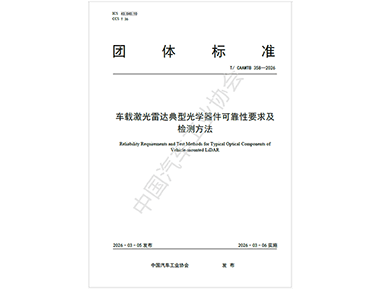
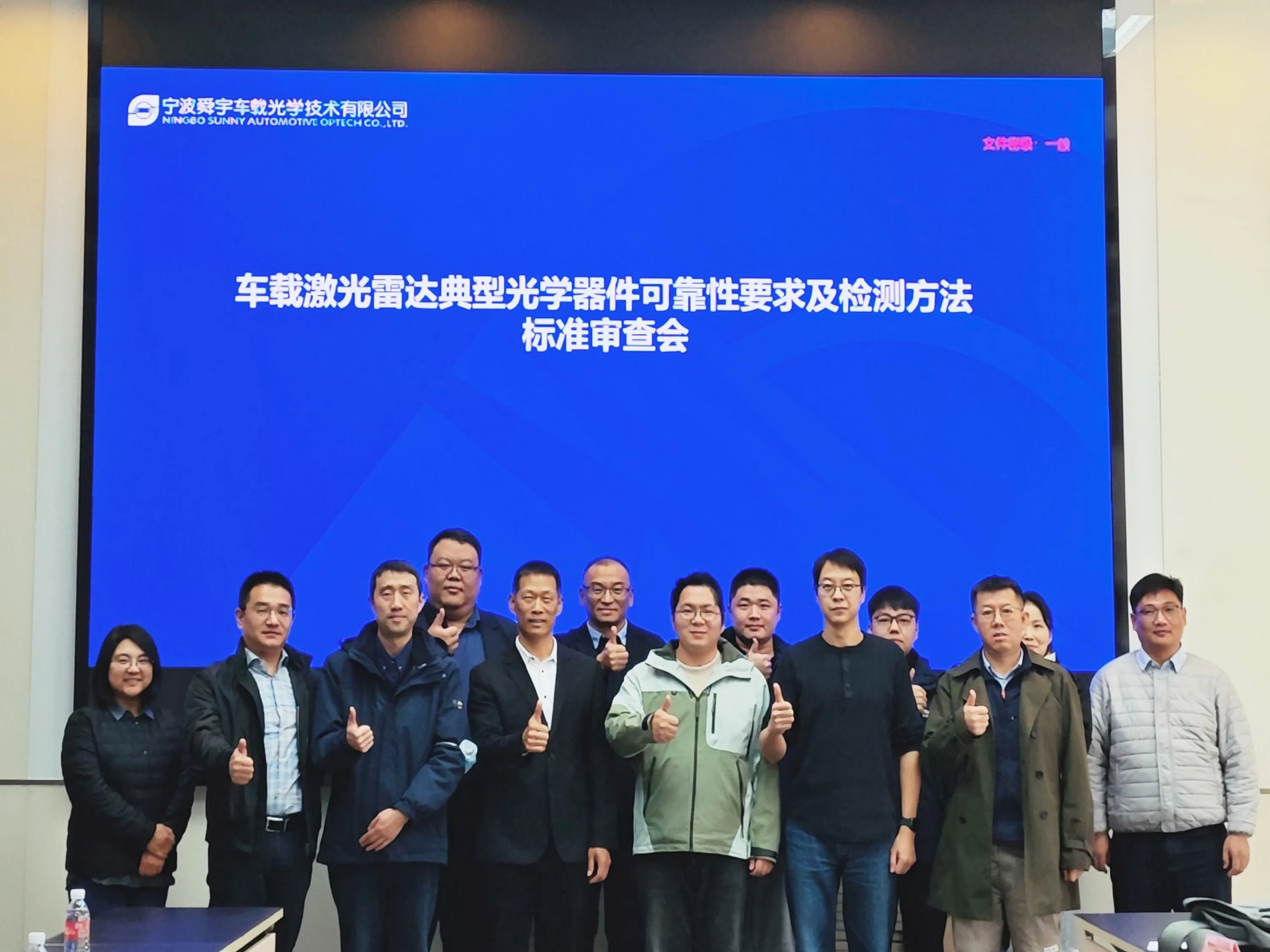
The group standard “Reliability Requirements and Test Methods for Typical Optical Components of Vehicle-mounted LiDAR” (T/CAAMTB 358-2026), administered by the China Association of Automobile Manufacturers (CAAM), has recently been officially released and implemented.
The standard was led by Ningbo Sunny Automotive Optech Co., Ltd. as the core drafting organization, in collaboration with nearly 20 leading enterprises and research institutes across the industry chain, including the Changchun Institute of Optics, Fine Mechanics and Physics, CAS, and BYD Auto Industry.
As the first reliability standard in the industry specifically targeting optical components for automotive LiDAR, the document fills a critical gap in China’s standard system for this field.
Key Highlights of the Standard
1. Systematic framework covering a full range of optical components
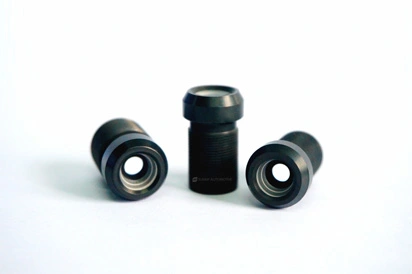
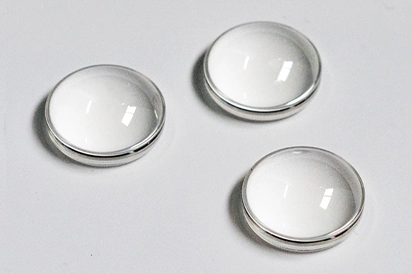
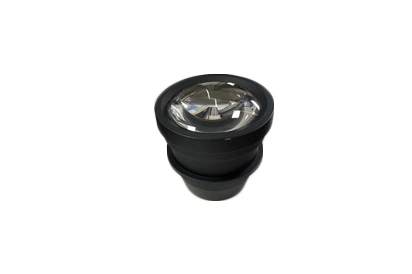
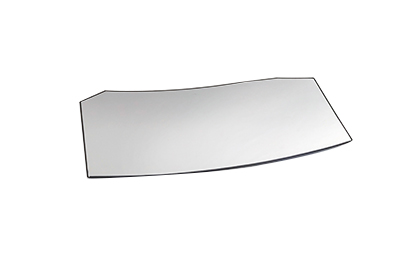
The standard establishes a classification system for seven major categories of optical components, including lenses, mirrors, beam splitters, optical filters, polygon, and optical windows. Based on the characteristics of each component type, differentiated testing recommendations and inspection requirements are proposed, enabling categorized guidance and significantly improving the practicality and operability of the standard.
2. Stringent technical specifications aligned with international standards
The standard defines requirements for eight major categories of reliability tests, including mechanical vibration, thermal shock, steady-state damp heat, salt spray corrosion, and gravel impact. Key parameters such as high-temperature storage performance, rapid temperature variation resistance, and transmittance stability meet internationally advanced benchmarks, ensuring that optical components can operate reliably under extreme automotive-grade environments.
3. Broad compatibility supporting multiple technology routes
The standard fully considers the characteristics of optical components based on different material systems and technical approaches. With strong universality and a forward-looking design, it provides important standard support for the development of automotive LiDAR technologies over the next three to five years.
As the leading organization behind the standard, Sunny Automotive Optech will continue to deepen its expertise in core automotive optical technologies and work together with industry partners to promote the high-quality development of China’s intelligent connected vehicle industry.

Inquiry
Excellent Customer Service Ability
Key customer manager mechanism
Oversea supporting points
Excellent Process Control Ability
Fully automated production
DMC traceability management
VDA6.3 / IATF16949 verifications
Excellent R&D Ability
Advanced technology new product development cooperation
Cost-effective optical solution proposal based on customer needs
Ecosystem resource integration
Korea Office